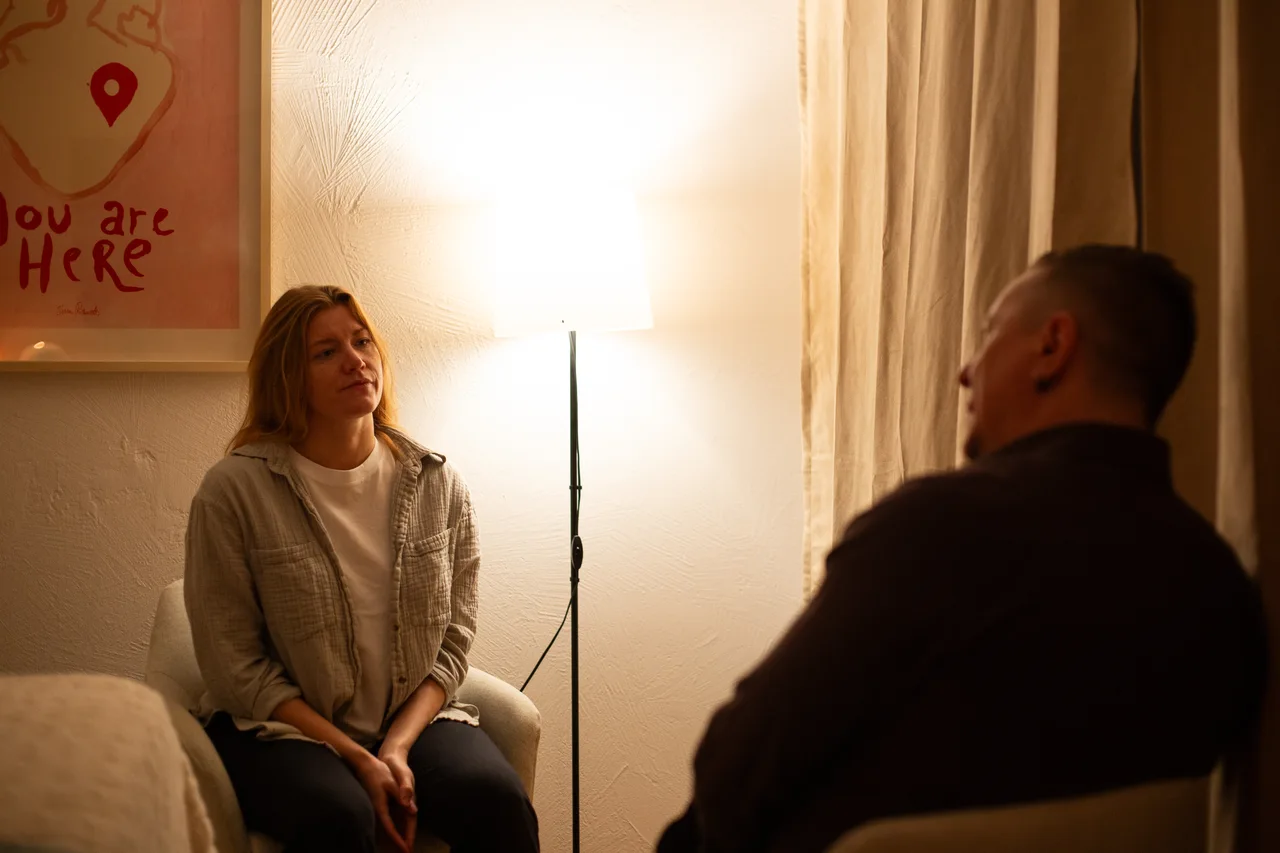
Conversation
Start with your wishes and questions.
Kroppsterapi Malmö
An individual session with space for conversation, touch and attention to the body. At YogaWay Studio, with Nata or Tanya.
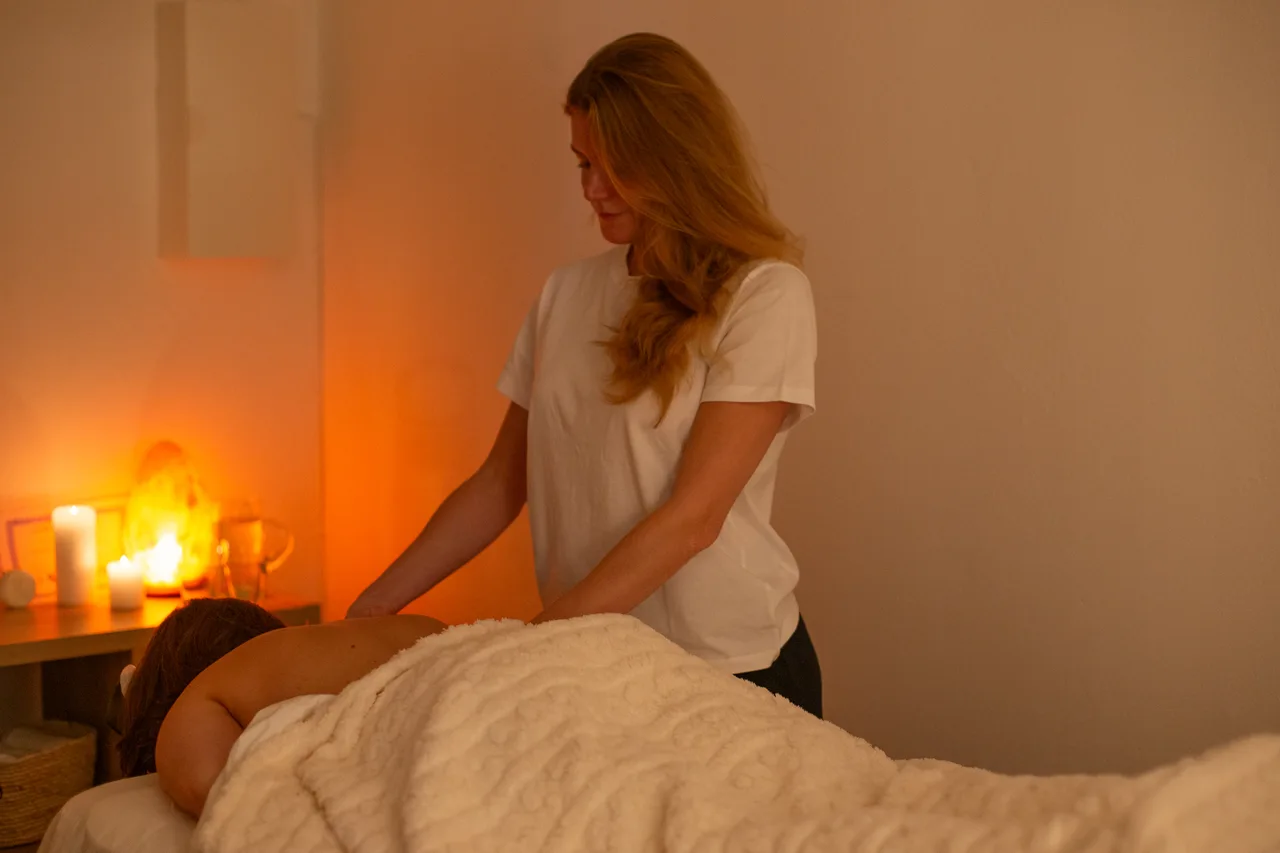
Parts of an individual session
Start with your wishes and questions.
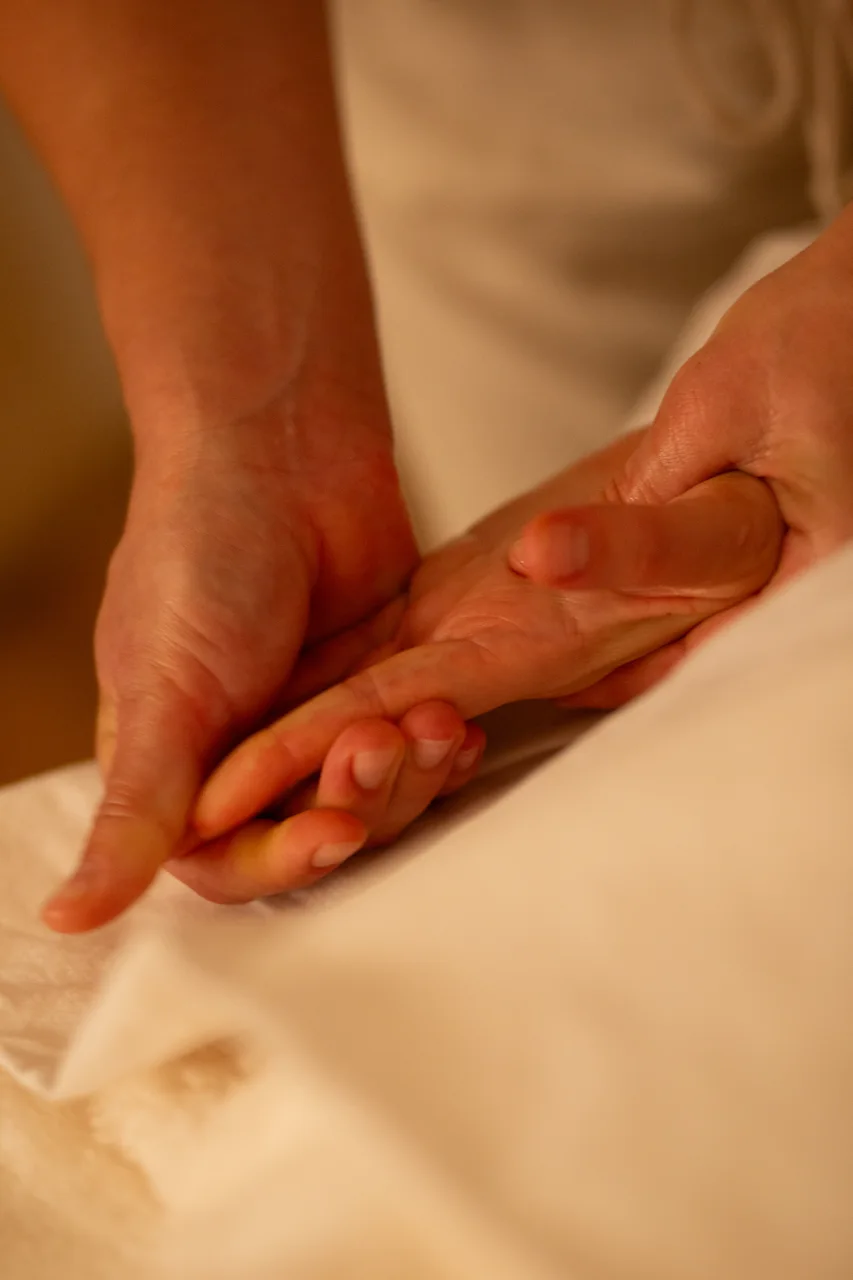
We adapt pressure and pace to you.
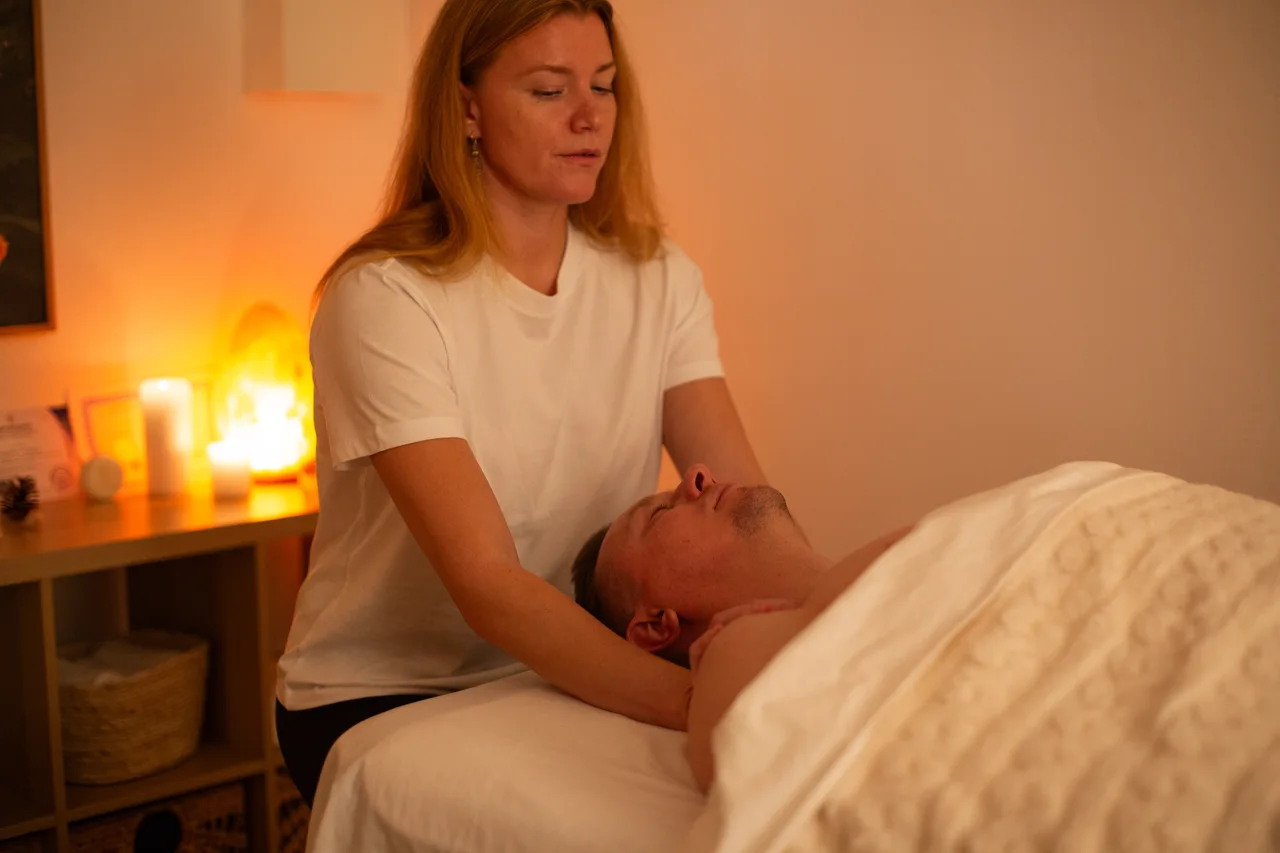
Notice what feels comfortable for you.
You do not need a complete explanation of how you feel. You can describe what you would like from the treatment: a quieter session, gentler pressure or attention to a particular area. Your practitioner discusses the focus of the session with you.
Body therapy is our main offering here. Massage may be part of the session, but the approach is not necessarily the same with both practitioners. Read their profiles and ask about what matters to you.
Conversation can make room for your wishes and questions. Touch and massage may form part of the practical work. Body awareness here means noticing things such as contact, comfort and whether you would like a pause.
Nata describes her session as a combination of relaxing massage, gentle bodywork, an opening conversation and breathing guidance. Tanya describes body therapy with a focus on body awareness and the connection between body and mind. The session is adapted to you and what you need that day.
A glimpse of the clinic
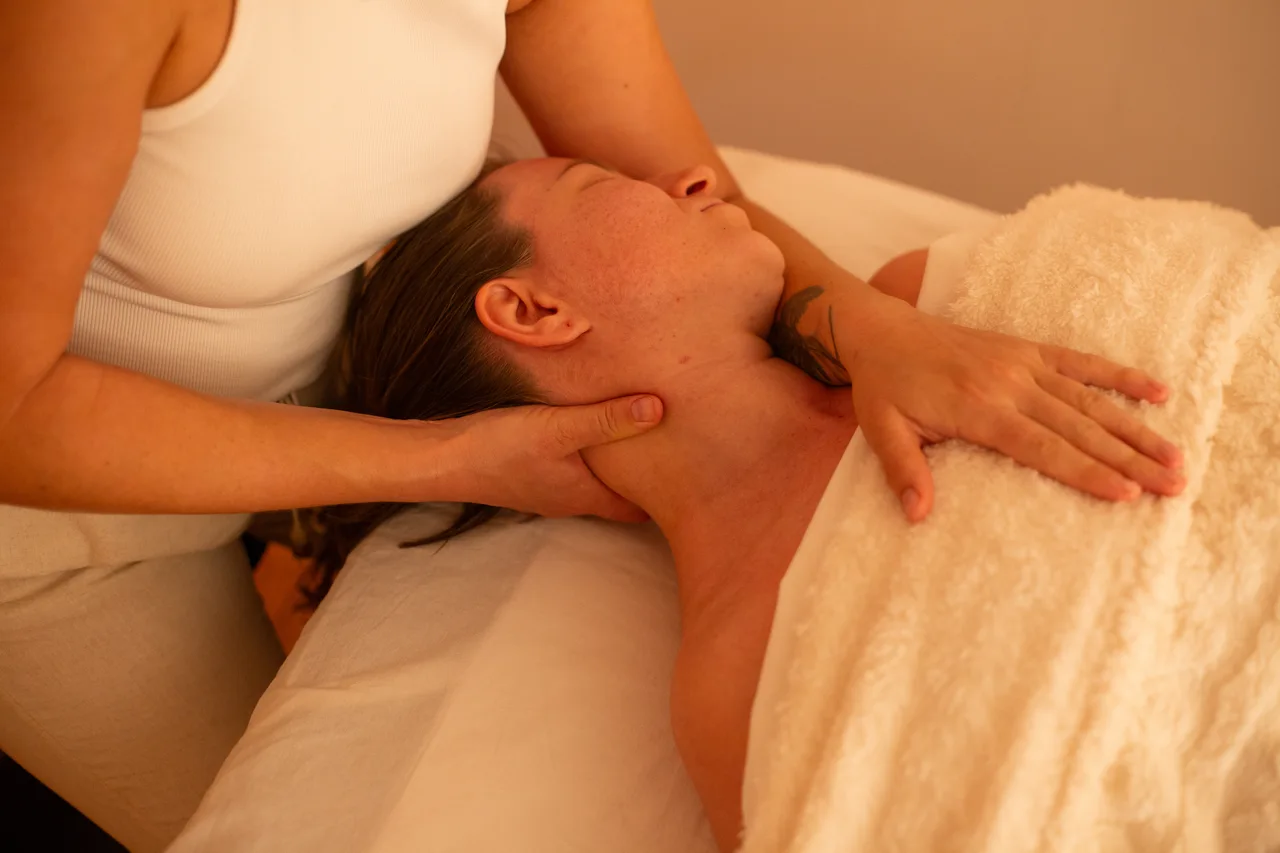
Every session is tailored to you. We begin by discussing your wishes and what feels comfortable. Let your practitioner know if the pressure feels too strong or an area is sensitive, so she can adapt her touch.
You do not have to share personal experiences you would rather keep private. Questions about clothing, covering and language are welcome before booking.
Nata and Tanya work independently at the same address. Choose a person based on her description, languages and practical availability. Training or a method mentioned on one profile does not automatically apply to the other.
One visit can be valuable in its own right. You may also want to return, but that decision should reflect your experience and an arrangement you understand. This guide helps distinguish curiosity about another session from feeling obliged to book a whole series. Neither Nata nor Tanya should be understood as guaranteeing a particular change after a fixed number of visits.
Start with concrete aspects of the visit: did you feel listened to, was the pressure clear and did the balance of conversation and treatment suit you? These may be easier questions than whether the treatment “worked”. You can appreciate the contact while wanting a different focus or adjustment next time.
If you return, you need not start from nothing, but your practitioner still needs to know how you feel that day. What suited you last time may not suit you now. Explain the change without trying to make every visit exactly comparable.
Tanya has said that she would like to support a more consistent relationship with the body. This can be a reason to discuss further visits if her approach suits you. It is not a promise that regular sessions will resolve a particular problem. Ask about the purpose of continuing and how you will review the arrangement together.
Consider how the encounter worked and what you would like to explore further. Could you communicate? Was the structure clear? Would you change anything? Tanya values continuity when it suits the person, but a return visit is not compulsory. You can decide after your first appointment rather than committing to everything beforehand.
What suited you last time may not be the priority today. Explain what you appreciated and what has changed. You may want less conversation, different pressure or another focus area. A brief check-in helps your practitioner adapt the next session without assuming that every previous preference still applies.
Several visits can give you time to understand the approach and clarify your preferences. A particular number of sessions does not guarantee a change. Tanya describes an interest in ongoing body awareness. Discuss why you want to continue, how you will review the experience and when to reconsider if the approach does not meet your needs.
Compare things you can describe: the clarity of the introduction, pressure you appreciated and how the focus was chosen. Your day may also shape the experience. Do not require an identical feeling every time. Use comparison to improve communication with your practitioner rather than to prove that every visit should be the same.
Different arrangements suit different lives. One person prefers booking each visit separately; another values planning ahead. Discuss what you want from continuity and what is practical. Check current terms before buying anything. A planned arrangement should be clear about time, content and how changes are handled.
You may want time to reflect after a first session. Say that you would like to consider it and get in touch if you decide to book again. This makes expectations clear without dismissing the experience. Keep the contact details and note a specific question if anything remains unclear, making a later decision easier.
A short personal note can record what felt comfortable, the area you prioritised and a question for next time. You do not need to document every sensation or measure an outcome. Keep the note private if it contains personal information. Its main purpose is to help you remember your preferences.
Mention the change at the beginning even if you discussed a different plan last time. A return visit can start with a simple check-in about what matters now. If you want a different treatment or practitioner, check the booking beforehand so the appointment matches the person and session you actually want.
If you discuss several visits, ask for a simple explanation of the purpose. What will you review, and what would make you change direction? A number of sessions is not an outcome by itself. You should understand how the arrangement relates to your preferences and which practical terms apply before deciding.
A caring approach includes understanding the limits of the service. Tanya explains that she recommends healthcare when concerns fall outside her scope. If you mainly need diagnosis, rehabilitation or psychotherapy, choose a professional qualified for that task. An interest in bodywork can coexist with other needs that require separate support.
Body therapy and massage on this website are not a replacement for medical assessment. If you are unsure about symptoms or whether treatment is appropriate for your health, contact a healthcare professional. Tell your practitioner about relevant advice or limitations. Booking a session is not receiving a diagnosis.
Describe what felt clear, comfortable or difficult to understand. Specific feedback about pressure, information or booking is more useful than a general rating alone. You can contact your practitioner privately. Only include personal details in public reviews if you want other people to read them.
You might write down one or two things to remember, without turning reflection into another task to perform. If you do not want to rebook now, you can say so simply. If symptoms need medical assessment, the next step should be appropriate healthcare rather than automatically another treatment at the clinic.
You do not need a ready-made plan. Read about your first visit or choose a time with Nata — your session is tailored to you.