Guide · Kroppsterapi Malmö
Breathing during body therapy
Gentle breathing guidance can be part of Nata’s body therapy sessions. It is adapted to you, without a requirement to know a technique or achieve a particular feeling.
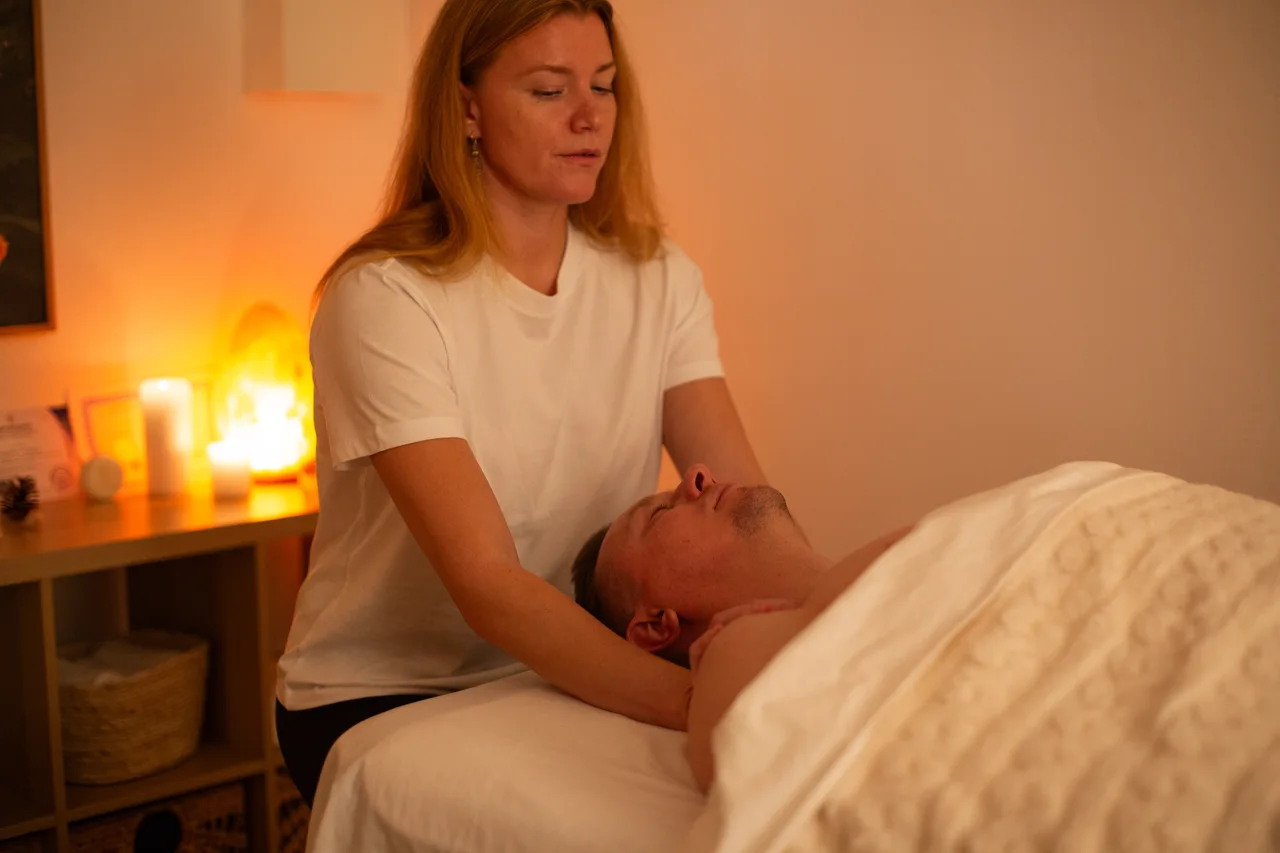
A gentle part of the session
Nata describes gentle breathing guidance alongside massage and bodywork. She explains the session and listens to how it feels for you. You do not need to prepare an exercise or change the way you breathe before arriving.
Nata includes breathing guidance in her current description. That does not establish that Tanya uses the same approach. Read each profile and confirm with the person you are considering.
Attention is not a performance
You do not need to arrive knowing a breathing technique. Nor do you need to produce a particular sensation during the appointment. A practical question such as “What will you ask me to do?” can make the session more understandable.
This article does not instruct you to breathe deeply, hold your breath or follow a set rhythm. Those instructions would require a clearer context than a general website guide. The purpose here is to help you discuss the proposed activity.
You can choose not to take part
If you would rather not receive breathing guidance, say so before or during the session. Ask what the appointment can look like without it. You can also request an explanation before deciding whether to try anything.
Choosing not to take part does not require you to share a private reason. You can simply say that you prefer ordinary breathing and would like to focus on another aspect of the visit.
Keep the conversation practical
The amount of guidance is adapted to you. Let your practitioner know whether you prefer quiet or more explanation; you do not need to arrive knowing a particular breathing technique.
These are questions about the format, not promises about what your body will do. There is no requirement to experience a particular emotion or sensation. Tell your practitioner what feels comfortable and whether you prefer fewer instructions.
Understand what is and is not offered
Body therapy on this site is an individual session. It is not a medical assessment of breathing difficulties. If you are looking for assessment of a health concern, use an appropriate healthcare professional rather than relying on this guide.
If you already have relevant professional advice, mention it before booking and ask how it affects whether the proposed session is suitable. Do not assume a general description covers your individual circumstances.
Before you book
You can write: “I noticed breathing guidance in your description. Could you explain what it involves, and can I choose not to include it?” That is enough to begin a practical exchange.
Read the first-visit page for the other details that may matter: language, clothing, timing and how to ask for changes. The aim is for you to understand what you are choosing, not to learn a technique from an article.
Ask what breathing guidance means in this session
“Working with the breath” can describe very different activities. It may mean noticing your ordinary breathing while you receive touch, following a gentle suggestion from the practitioner, or taking part in a separate breathing practice. The phrase alone does not tell you how intense the activity will be, how long it lasts or what you will be asked to do.
Before a new breathing element begins, ask for a plain explanation. For example: “Will I simply notice my breathing, or will you ask me to change it?” You can also ask how the guidance relates to the hands-on work. These are practical questions about the service, rather than a test of your knowledge or willingness to participate.
Nata describes breathing guidance as part of her body therapy approach. Tanya describes paying attention to breathing and bodily sensations within her work. These descriptions do not establish that both practitioners use an identical technique. Read the individual profile and ask about the session you have chosen.
Notice without turning it into a performance
It is easy to arrive with the idea that there must be a correct way to breathe during treatment. You may then spend the session trying to produce a deeper breath, keep a rhythm or show that you are doing well. That can distract from the simpler question of whether the experience feels comfortable and understandable to you.
You do not need to demonstrate a particular breathing pattern to make your visit worthwhile. If an instruction is hard to follow, say what is difficult. Perhaps you cannot understand the wording, feel self-conscious or would prefer less verbal guidance. That information helps clarify the approach without requiring an explanation of every feeling behind it.
Ordinary language is enough: “I am concentrating so hard that I cannot settle,” or “Could you explain that another way?” You are describing your current experience, not failing at the session. A useful conversation concerns what is happening now and what the practitioner proposes next.
Separate breathing, touch and conversation
A session may include several elements, but they do not have to be treated as one indivisible package. When you discuss your preferences, distinguish between them. You might feel comfortable with a certain type of touch but unsure about guided breathing, or welcome a short explanation while preferring less conversation during the bodywork.
Discuss those preferences before the treatment so the practitioner can explain what is possible within the service. It is more useful to agree a clear starting point than to assume that a general “yes” answers every question about how the appointment should unfold.
If the proposed approach is different from what you expected, ask for clarification before continuing with that element. The purpose of an explanation is to help you understand the visit, not to persuade you to ignore uncertainty. This guide does not prescribe a particular breathing exercise or replace an individual assessment of what is suitable for you.
When you need a different kind of assessment
Questions about breathing symptoms are different from questions about how a wellness session is organised. New, persistent or concerning difficulties should be discussed with a healthcare professional rather than interpreted through the name of a body therapy technique. Do not use a booking enquiry as a substitute for obtaining appropriate medical advice.
Tell the practitioner about relevant health concerns before the session and ask whether they affect the proposed work. The practitioner may need to adapt the appointment or recommend another source of help. You do not need to decide by yourself whether a particular exercise is appropriate because you have seen it described online.
A strong sensation is not, on its own, evidence that something beneficial has happened. Equally, a quiet or ordinary experience does not make the visit a failure. Avoid using intensity as the only measure when you reflect on the session.
Use the conversation afterwards to make sense of the visit
At the end, you can talk about the specific parts you noticed. Perhaps the instructions were clear, perhaps you preferred silence, or perhaps it was easier to focus when the practitioner explained a change in touch first. Those observations give a future conversation more substance than simply labelling the whole session “good” or “bad”.
You do not need an immediate theory about why you felt a certain way. It is enough to say what you experienced and what you would prefer next time. If you are considering another appointment, ask which elements could stay the same and which could be approached differently.
For example: “I liked having a short explanation, but I would prefer fewer instructions during the bodywork.” This gives the practitioner a concrete preference to discuss. It does not require you to commit to a programme or accept a particular explanation of your body.
A useful starting point
Before booking, read the treatment description and the practitioner’s own account of a first visit. If breathing guidance is unfamiliar, one question may be enough: “Could you explain what breathing guidance would involve for me?” You can then decide whether the answer makes the session feel understandable.
The aim is a clear agreement about the experience you are choosing. Breathing can be something you notice during the appointment without becoming another task to get right.
Take the next step at your pace.
Explore your first visit or choose a practitioner. Nata offers body therapy; Tanya offers body therapy and deep massage. Your session is tailored to you.